




Music


About
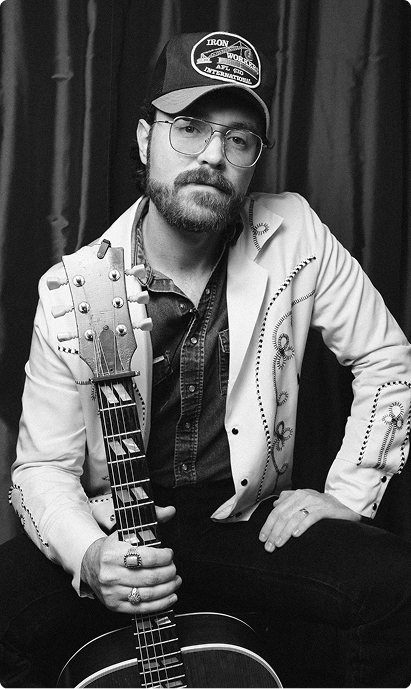
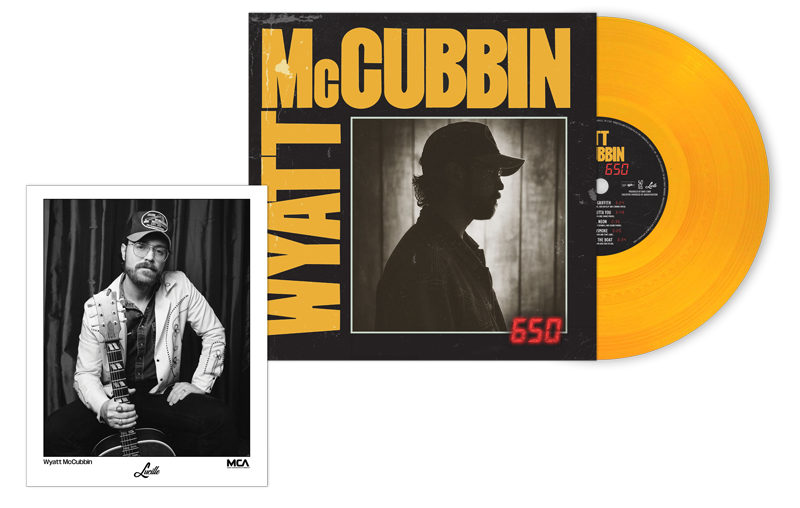
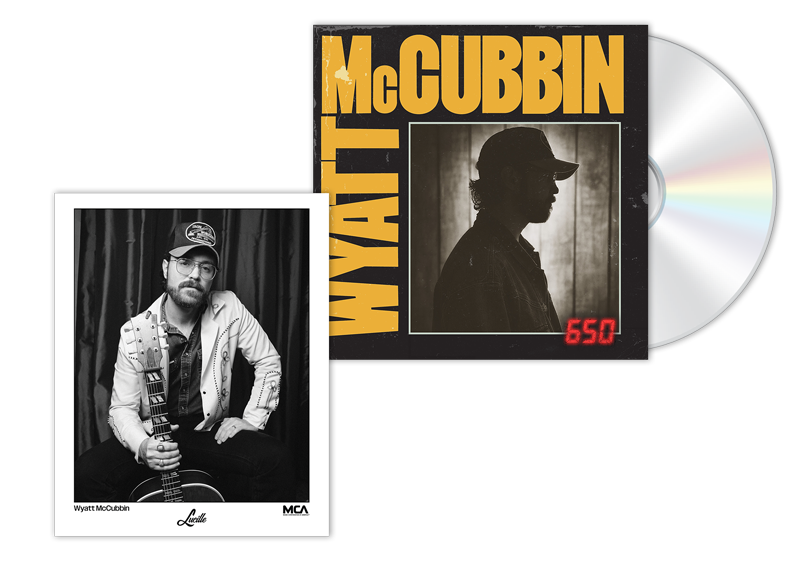
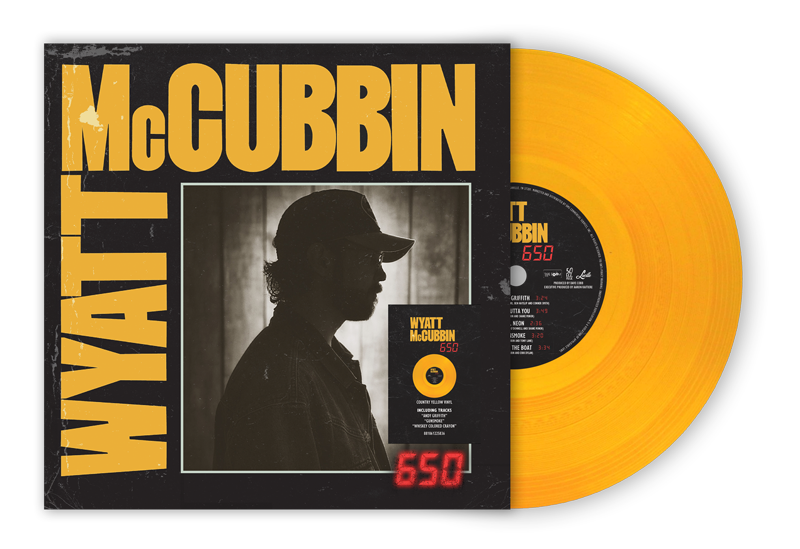
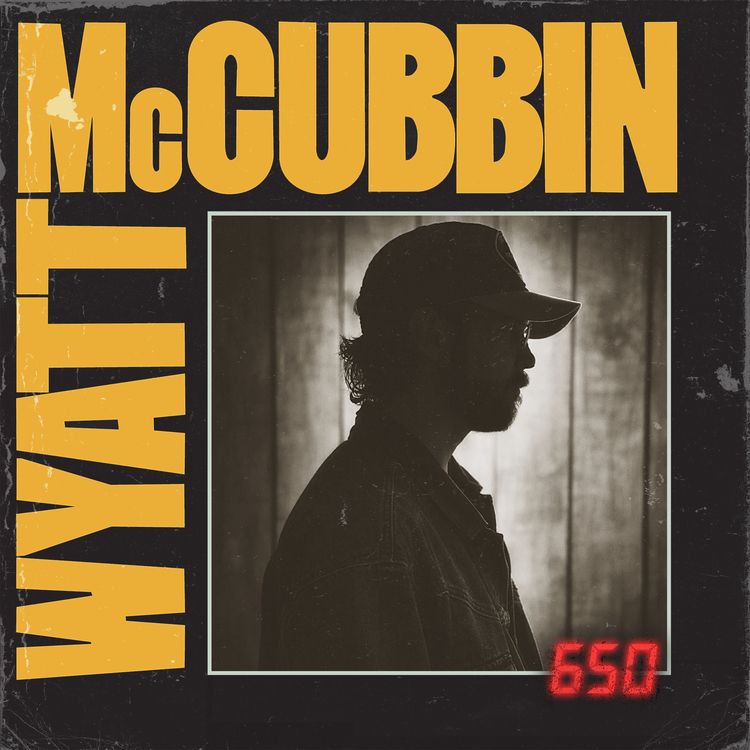
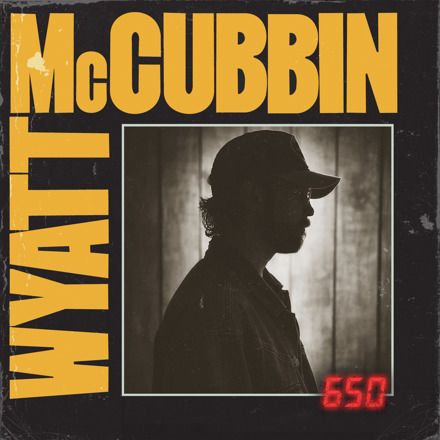
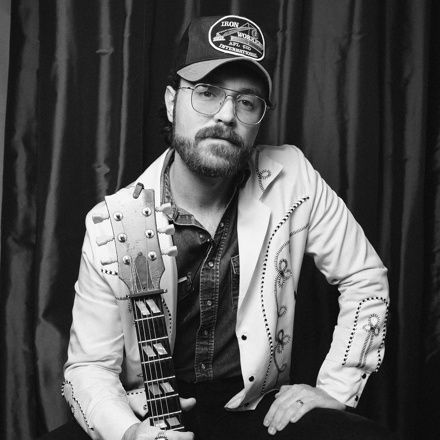
The static of an AM radio has always been a part of Wyatt McCubbin’s story. “From the shop radio to the car radio, give me all of it,” says Wyatt. “It’s got my favorite thing on it, which is country music!” Long before hearing his original songs on the air sung by Lainey Wilson, Luke Combs, Cody Johnson, Riley Green, Jon Pardi, and Zach Top (whose breakthrough hit, “Sounds Like The Radio” was appropriately co-written with McCubbin), the radio airwaves introduced him to country music when he was just a boy helping his granddad restore an old pickup in a dirty southwestern Ohio garage. Whether tuning into the local station (where he would eventually be employed right after high school) or picking up WSM’s Nashville signal when the sun went down, to Wyatt, the radio came to represent connection to people and places in the country music story, regardless of the barriers of distance and time, ultimately culminating in his debut album for Dave Cobb’s Lucille Records/MCA, aptly titled 650.
“It’s no different than stories being passed down from generation to generation. I feel like country music gets passed down the same way from grandpas to dads, from dads to sons, from sons to their sons,” says Wyatt. The enormity of WSM’s significance as one of the primary outlets for preserving and promoting the songs and stories that make up country music is not lost on Wyatt, and is something he chose to embrace when he made his Opry debut on May 12th, 2026 at the invitation of his friend and mentor, Marty Stuart (who makes a guest appearance on Wyatt’s album, 650). “It looks like a tall mountain when you pull in that parking lot, and you’re thinking ‘Wow! How am I going to make a difference here?’ But I kind of looked at it as less of making a difference and more of just jumping in the dang deep end of it. I wanted to be a part of it no matter how the night went,” says Wyatt gratefully. “I felt it couldn’t have gone any better just from my heart’s standpoint.” Wyatt titled his debut album 650 to celebrate the legacy of the station that made Hank Williams and Bill Monroe household names and to help share with folks that “Country music and 650 go hand-in-hand.”
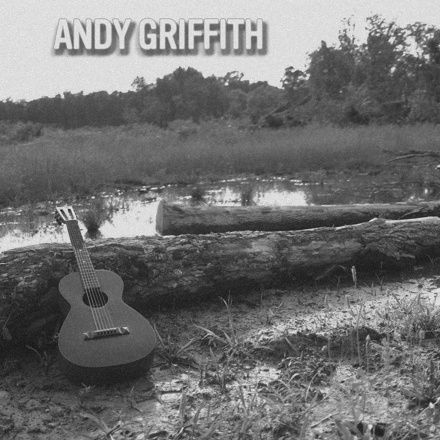
The rootedness that makes country special brings a grounded nature to Wyatt McCubbin’s songwriting and to 650. “It’s always going to be nostalgic, because country music naturally has a ‘throwback vibe’, no matter how fresh it is,” says Wyatt of the genre. “It’s rooted in itself, but it doesn’t feel old. It’s just the perfect time capsule to go back in time, obviously without even leaving now.” This sentiment permeates 650’s lead single and opening track, “Andy Griffith”, which serves as an ode to a simpler way of living. “There’s so many emotions attached to Andy Griffith: the show, the person, the place,” says Wyatt. “It’s constant nostalgia. It’s classic. It’s red, white, and blue. It’s just all of the things wrapped up in one, and it already felt like a song that existed to me.” The song even features a nod to the Air Castle of the South. “I was picturing my house that isn’t even built yet,” says Wyatt. “What am I listening to on the back porch? I’d guess it’d probably be 650 AM, especially late at night when they play that old stuff, old Ray Price and Webb Pierce stuff.” This is one of many details that Wyatt had to get right while crafting, “Andy Griffith.” (“There’s a line in there that says, ‘Swatting them flies, trying to keep ‘em off the peach ice cream.’ We talked about, ‘What flavor of ice cream do we have?’”)
Respected writer and social psychologist, Malcom Gladwell said on his popular Revisionist History podcast, “Country music makes people cry because it’s not afraid to be specific.” Wyatt does this masterfully throughout 650. “The more you zoom in, the more you focus on just making yourself feel something, the more everyone else does,” says Wyatt. “The second you get specific is the second it becomes universal.” Wyatt aims to transport listeners to a specific place, whether pickin’ guitars on a dusty porch on “Andy Griffith”, ridin’ shotgun to the honky-tonk in a beat-up Cadillac with “Mr. Neon”, staring at a lonely king-sized bed because it’s “All Out of You”, or watching western re-runs in the song “Gunsmoke.” “No matter if someone has ever watched an episode of Gunsmoke, it just sits them down on the couch with their grandpa, for that song specifically.”
In addition to getting the particulars right, Wyatt’s choices for what songs (out of the nearly 2,000 he has written over the last decade and a half) to include on 650 were deliberate as well. “The only thing I wanted to say with this record is what I have lived,” says Wyatt. “This 36 minutes is really sixteen years in the making.” In totality, the album reflects Wyatt McCubbin’s journey from a boy hearing Hank Williams on his granddad’s radio to being one of Nashville’s fastest rising songwriter/artists. His career arc has been similar to some of his heroes’ paths to success, turning heads as a songwriter in Music City, which resulted in opportunities for him as an artist. “I’ve always believed it all starts with a song. I loved Wyatt because he truly follows in the legacy of great songwriter/artists like Don Williams and Kris Kristofferson,” says producer Dave Cobb.
Dave Cobb’s decision to record the album live at his new Savannah studios matches
the intentional nature behind these ten songs. “Cutting to tape alone sets a vibe,” says Wyatt, who has always loved the warmness embodied on so many of his favorite LPs that were recorded in a similar fashion, simply out of necessity. When Wyatt was a radio personality in Ohio, he frequently spun those classic records on air, alongside 21st century music that Dave Cobb had produced for artists like Shooter Jennings, Chris Stapleton, and John Prine. After working with Dave on 650, Wyatt saw firsthand what has made him roots music’s most revered producer for the last fifteen years. “He shined a light on more than just the song, but there was a spirt that he caught,” says Wyatt. The result is a record that draws the listener in, giving 650 an intimate feel, underscoring the personal nature of the project.
Wyatt’s wife, Holly McCubbin provides beautiful harmony vocals alongside Wyatt on the album, adding another layer of affection and care. “This is nowhere near the same album without her fingerprint on it,” says Wyatt. Their shared passion for one another and for the music is undeniable, resulting in something that can’t be artificially manufactured. “Singing songs like ‘I Love You’ to Holly, my wife, in real time didn’t feel like we were making believe,” says Wyatt. “It wasn’t an act. It was just as real as it can get… Same thing with ‘Andy Griffith’, talking about our lives, talking about our kids, and our family element. There’s no pretending — you can’t fake that.” Family is a common thread woven throughout the album. “Fly, Baby, Fly” (a selection handpicked by Holly) serves as a letter to their daughter, Dove. He also recorded a song for his son Autry, entitled “Boy in a Boat.” “I grew up getting out on the boat with my grandad, and my dad would take me fishing as well. This song is just about a father and son fishing,” says Wyatt. Having his entire family represented on the album means the world to Wyatt. “It’s such a special thing for me as a dad, because they get to come back to this record even after I’m long gone and hear from their old man.”
Wyatt’s love for his family is not only the driving force behind the musical choices on 650, but also behind his personal choices, as chronicled in the album’s final two tracks: “Whiskey Colored Crayon” and “12/9/23”. He co-wrote “Whiskey Colored Crayon” with Lainey Wilson and Josh Kear, and Lainey’s rendition (featuring Wyatt on harmony vocals) was the closing track on her CMA & ACM Album of the Year winning project, Whirlwind. After hearing Wyatt sing “Whiskey Colored Crayon” at the insistence of MCA’s Aaron Raitiere, Dave Cobb suggested it be included on 650. “I don’t have an abundance of that song. That song is one of one,” says Wyatt. The album culminates with Wyatt’s most personal song to date, and one he always envisioned as the closing track. “12/9/23” marks Wyatt’s sober date. “‘Whiskey Colored Crayon’ could have been me, but ’12/9/23’ is me. It’s the guy figuring it out day-by-day. It’s the guy raising his kids with a clear mind and clear eyes. It’s also the guy that reflects a lot.” After hearing multiple stories about how “Whiskey Colored Crayon” has touched people and helped them turn the page in their own life, Wyatt decided to share his experience through “12/9/23” in an effort to encourage others and help make a difference. In tandem, the two songs form a powerful statement.
In an era marked by a suspicious amount of shimmer and shine, a project marred by grit and truth stands out from the crowd. From the songs themselves to the process of recording live to tape, the edges of 650 are not sanded off. “You’re not picking your favorite take; you’re picking your favorite flaws, truly. You’re picking what you can live with being in the universe on a record,” says Wyatt. That sense of realism has defined country music from the beginning. When George D. Hay first referred to the WSM Barn Dance as the “Grand Ole Opry,” he prefaced it by stating, “We will present nothing but realism. It will be down to earth for the ‘earthy’.” A century later, the fight over reaching for what’s real is approaching a new zenith with the advent of AI, making the honesty of an album like 650 and an artist like Wyatt McCubbin even more poignant. People need to hear music that has dirt under its fingernails, and Wyatt delivers. “Everything is so perfect, and that’s not a bad thing, but people are looking for real — I know I am,” says Wyatt. “I wrenched on a 1963 Ford F-100 today that’s back at my parents’ place. Me and my granddad restored it when I was a kid, and looking at that motor that you can see the ground through… I needed that today. That’s real. That’s as genuine as you get. I like the music I listen to and the music I create to feel the same way. Not old, but real.”